Management
Bladder and Bowel Incontinence
Bladder or bowel incontinence means there is a problem holding in urine or stool. You may have unwanted passage of urine or stool that you can't control. These conditions can be stressful to deal with. But don't feel embarrassed about talking with your doctor. Doctors are used to dealing with these issues and can help you manage the problem.
Why do bladder and bowel incontinence happen?
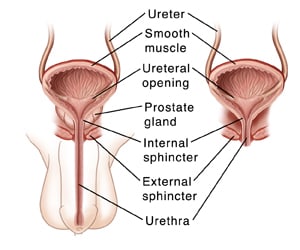
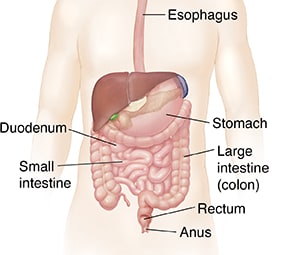
When the bladder and bowel function normally, nerves tell certain muscles when to tense up and when to relax. Nerves in the spinal cord send messages from the brain to the bladder. Sphincter muscles control the flow of urine. Muscles in the rectum and anus control or release stool. These nerve and muscle processes allow urine and feces to be removed when you want them to.
What causes bladder or bowel incontinence?
Many conditions may affect the nerves and muscles that control the bladder and bowel.
Bladder incontinence can be caused by things, such as:
- Damage to nerves in sphincter muscles
- Holding urine in too long (urine retention), which can damage the bladder
- Having to urinate many times during the day and night, often urgently (overactive bladder)
- Diarrhea
- Constipation
Bowel incontinence can be caused by things, such as:
- Diarrhea
- Constipation
- Damage to the nervous system from disease or injury
- Rectum bulging down into the anus (rectal prolapse)
- Rectum pushing into the vagina (rectocele)
- Crohn's disease or ulcerative colitis
Either type of incontinence can be caused by things, such as:
- Medicine side effects
- Stress
- Multiple sclerosis
- Stroke
- Alzheimer disease
- Diabetes
- Infections, including spinal cord or brain infections
- Hemorrhoids
- Problems with the pelvic floor
- Damage after surgery
- Vaginal childbirth
Managing bladder or bowel incontinence
Some common treatments are:
- Changes in food or drink. Increasing your fiber intake can help manage diarrhea and constipation. Drinking plenty of fluids can also ease constipation. Not drinking fluids at certain times can help manage overactive bladder and urinary incontinence.
- Exercises. Pelvic floor muscle therapy is required. This can strengthen pelvic floor muscles and help improve symptoms. A physical therapist or other healthcare provider can give you specific exercises to do. One example is Kegel exercises. Kegel exercises can strengthen the sphincter muscles and pelvic floor. This can help you have better control.
- Medicines. Some medicines can help control bowel incontinence. Antidiarrheal medicines can help manage diarrhea. And medicine can help bladder muscles relax to give you better control.
- Keeping a bathroom schedule. Setting a regular schedule for using the toilet can give you better control. This includes trying to urinate or move your bowels at the same time each day.
- Electrical stimulation. This therapy can stimulate damaged nerves. This may give you better muscle control in your bladder or bowel.
- Surgery. In rare cases, you may need surgery to fix damage to muscles or nerves.
Your doctor will work with you to create a treatment plan.
Both bladder and bowel incontinence can lead to a breakdown of skin. Ask your doctor about correct skin care for your situation.
Author: Ignite Staff
Online Medical Reviewer: Melinda Murray Ratini DO
Online Medical Reviewer: Stacey Wojcik MBA BSN RN
Date Last Reviewed: 08/31/2025
© 2000-2026 The StayWell Company, LLC. All rights reserved. This information is not intended as a substitute for professional medical care. Always follow your healthcare professional's instructions.
Personalized care starts with the right provider
Search by specialty, location, and more.
FIND A DOCTORRelated Articles
Antegrade Pyelogram
An antegrade pyelogram is an imaging test to find a blockage (obstruction) in the upper urinary tract. Read on to learn about what to expect before, during, and after this test.
The Facts on Chlamydia
Chlamydia is the most frequently reported infectious disease in the U.S. Anyone who has sex is at risk for chlamydia.
Urine Flow Test
A urine flow test calculates the speed of urine flow over time. It may be used to check how the bladder and sphincter are working. Here's what you need to know about the test.
Analgesic Nephropathy
Taking one or a mix of painkiller medicines daily over a long time may cause chronic kidney problems. This is called analgesic nephropathy. Painkillers that combine two or more medicines (such as aspirin and acetaminophen together) with caffeine or codeine are the most likely to harm the kidneys.