What are developmental venous anomalies?
A developmental venous anomaly (DVA) is a problem with the way small veins are arranged. They may look like the spokes of a wheel. The veins drain into a larger central vein. DVAs are not cancer. (They are benign.)
DVAs also may be called venous angiomas or benign variations in venous drainage. Some doctors refer to them as caput medusae. This is a Latin term that means head of Medusa .
These unusual vein formations can occur anywhere in the body. But they are found most often in the brain or spinal cord.
What causes developmental venous anomalies?
DVAs are vein problems that you are born with (congenital).
What are the symptoms of developmental venous anomalies?
DVAs generally don't cause symptoms. Many people don't know that they have any.
How are developmental venous anomalies diagnosed?
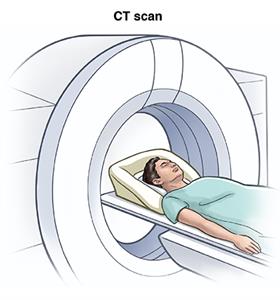
In most cases, DVAs are found when you have imaging tests to look for the cause of other health problems. Imaging tests may include MRI or MRA, conventional angiogram, or specific types of CT scans that show areas of blood flow.
Most people may never know they have a DVA. It will be found only after their death, if an autopsy is done.
How are developmental venous anomalies treated?
DVAs often don't need treatment. These veins work correctly to get blood in and out of the brain. They don't need to be removed or closed. Because they are normal and not dangerous, you often don't need to get imaging tests over the long term.
Key points about a DVA
-
A developmental venous anomaly (DVA) is a problem with the way small veins are arranged. They may look like the spokes of a wheel that drain into a larger central vein.
-
DVAs are something you are born with.
-
DVAs aren't dangerous. Most people don't know that they have them.
-
DVAs may be found during imaging tests to look for the cause of other health problems.
-
DVAs don't need to be treated.
Next steps
Here are some tips to help you get the most from a visit to your doctor:
-
Know the reason for your visit and what you want to happen.
-
Before your visit, write down questions you want answered.
-
Bring someone with you to help you ask questions and remember what your doctor tells you.
-
At the visit, write down the name of a new diagnosis and any new medicines, treatments, or tests. Also write down any new instructions your doctor gives you.
-
Know why a new medicine or treatment is prescribed and how it will help you. Also know what the side effects are.
-
Ask if your condition can be treated in other ways.
-
Know why a test or procedure is recommended and what the results could mean.
-
Know what to expect if you don't take the medicine or have the test or procedure.
-
If you have a follow-up appointment, write down the date, time, and purpose for that visit.
-
Know how you can contact your doctor if you have questions, especially after office hours or on weekends.
Date Last Reviewed: 08/31/2025
© 2000-2026 The StayWell Company, LLC. All rights reserved. This information is not intended as a substitute for professional medical care. Always follow your healthcare professional's instructions.
Early detection can make all the difference
Our specialists treat migraines to movement disorders.
Find a Neurologist
Personalized care starts with the right provider
Search by specialty, location, and more.
FIND A DOCTORRelated Articles
Spinal Arteriovenous Malformations
Arteriovenous malformations is the abnormal formation of veins and arteries. It can develop in the fetus or newborn baby. Learn more about this condition, including causes, diagnosis, and treatment.
Brachial Plexus Injury
Learn about brachial plexus injury, including cause, risk factors, symptoms, diagnosis, and treatment.
Gangrene
Gangrene happens when blood flow to tissues is cut off. This causes the tissue to die.
Cranial Neuropathies
Cranial neuropathy is a disorder that causes nerve damage in the nerves that arise from the brain and brainstem. This disorder can affect the ability of the face and eyes to feel and move.