The key to staying youthful and active after menopause is good nutrition and regular physical activity.
Nutrition after menopause
As you age, your nutritional needs change. Before menopause, you should have about 1,000 mg of calcium daily. After menopause, you should increase it to 1,200 mg of calcium per day.
Vitamin D is also very important for calcium absorption and bone formation. According to the National Institutes of Health, you should have 600 IU of vitamin D per day until age 70. Then it should be increased to 800 IU. Vitamin D can greatly cut your risk of spinal fractures. But too much calcium or vitamin D can cause kidney stones, constipation, or abdominal pain, especially if you have kidney problems.
The importance of exercise after menopause
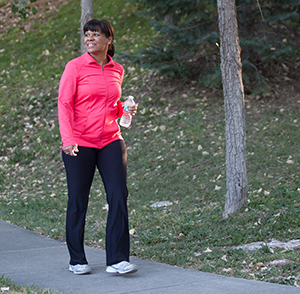
Many people gain weight after menopause. This may be because of declining estrogen levels. Raising your activity level will help prevent weight gain. Regular exercise benefits the heart and bones. It also helps control weight and can improve your mood. People who are not physically active are more likely to have heart disease, obesity, high blood pressure, diabetes, and osteoporosis. They may also have chronic back pain, insomnia, poor circulation, weak muscles, and depression.
Aerobic activities, such as walking, jogging, swimming, biking, and dancing, help prevent some of these problems. They also help raise levels of healthy HDL cholesterol. Weight-bearing exercises, such as walking and running, as well as moderate weight training, help increase bone mass. After menopause, moderate exercise helps preserve bone mass in the spine and prevents fractures.
Exercise also helps improve mood. Hormones called endorphins are released in the brain. Improved mood lasts for several hours. It also helps the body fight stress.
Always check with your doctor before starting an exercise program, particularly if you have been inactive. Your doctor can recommend the best exercise program for you.
Sex after menopause
Some people lose interest in sex during and after menopause. The symptoms of menopause, such as drier genital tissues and lower estrogen levels, may add to less interest in sex. But estrogen creams and estrogen pills can help. Personal lubricants may also help make sex more pleasurable.
People who still have sporadic periods during perimenopause need to continue using some form of birth control. Check with your doctor about which form of birth control may be best for you.
Staying healthy after menopause
These tips will help you live a healthy life after menopause. Talk to your doctor for more information:
-
If you are thinking about hormone replacement therapy, discuss the risks and benefits with your doctor first.
-
Don't smoke. Smoking is a major risk factor for heart disease.
-
Exercise regularly. Even moderate exercise, such as walking a half-hour, 3 times a week is beneficial.
-
Maintain a healthy weight through a balanced, low-sugar diet.
-
Control high blood pressure with medicine or lifestyle changes. This will help cut your risk for heart disease.
-
Reduce stress in your life through relaxation methods or regular exercise.
Featured in
Online Medical Reviewer: Donna Freeborn PhD CNM FNP
Online Medical Reviewer: Heather M Trevino BSN RNC
Online Medical Reviewer: Irina Burd MD PhD
Date Last Reviewed: 07/31/2025
© 2000-2026 The StayWell Company, LLC. All rights reserved. This information is not intended as a substitute for professional medical care. Always follow your healthcare professional's instructions.
Personalized care starts with the right provider
Search by specialty, location, and more.
FIND A DOCTORRelated Articles
Life After Cancer: Menopause After Treatment
Some cancer treatments include taking out your ovaries, or causing them to stop working. This can lead to menopause symptoms that can cause problems with everyday life. But there are things you can do to manage menopause after cancer.
Vaginitis
Vaginitis is any inflammation or infection of the vagina. It's common in women of all ages. Learn more about symptoms, diagnosis, and treatments.
Hysteroscopy
Hysteroscopy is the exam of the inside of the cervix and uterus using a thin, lighted, flexible tube called a hysteroscope. Your healthcare provider inserts the device through the vagina.
Pap Test
For a Pap test, your healthcare provider will collect and examine cells from your cervix. The cervix is the opening to the uterus. They will do this test to screen for cervical cancer and other problems.