Causes
Osteoporosis: Evaluate Your Risk
What is osteoporosis?
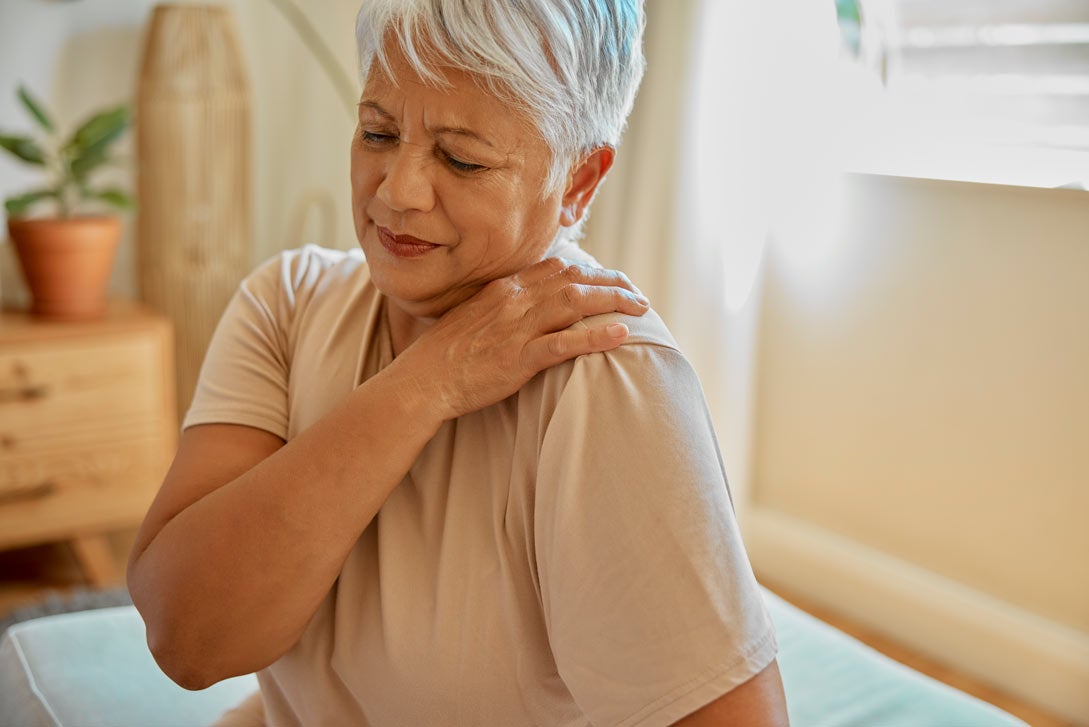
Osteoporosis is a disease that causes thinning of bones. Over time, this weakens the bones and can make them more likely to break. It can affect any bone, but the hip, spine, and wrist are most often affected. It's often called a silent disease because people can't feel their bones getting weaker.
Who is at risk for osteoporosis?
Gender words are used here to talk about anatomy and health risk. Please use this information in a way that works best for you and your provider as you talk about your care.
Women are more likely than men to develop osteoporosis. This happens because of hormonal differences. Also, men often have larger, stronger bones than women. Men and women older than age 50 are at the greatest risk for osteoporosis. Women who are non-Hispanic white or Asian are more likely to get osteoporosis than Hispanic or African-American women. For men, osteoporosis is more common in non-Hispanic whites.
Other risk factors that may increase your chances for osteoporosis include:
-
Small bones
-
Lack of physical activity or exercise
-
Smoking
-
Drinking too much alcohol
-
A diet low in calcium and vitamin D
-
A past break (fracture), especially after age 50
-
Being postmenopausal
-
Taking certain medicines, for instance, long-term use of corticosteroids
-
Family history of osteoporosis
-
Other medical conditions, such as endocrine or hormonal diseases, gastrointestinal diseases, rheumatoid arthritis, types of cancer, HIV/AIDS, and anorexia nervosa
Many people don't know they have osteoporosis until they have advanced symptoms. These may include a broken hip or wrist, low back pain, or a hunched back.
How is osteoporosis diagnosed?
If your healthcare provider thinks that you have osteoporosis, a simple, painless test to measure bone mineral density can confirm it. The test is called a bone density test.
If you're diagnosed with osteoporosis, medicines are available to treat it. Talk with your healthcare provider about the type of treatment that's best for you.
Can osteoporosis be prevented?
To help prevent osteoporosis:
-
Talk with your healthcare provider about screening tests for osteoporosis. See your provider for regular checkups.
-
Do regular weight-bearing exercise. This means activities that work your legs against gravity. Some exercises include walking, dancing, jogging, stair-climbing, playing racquet sports, and hiking. If you've been inactive, be sure to check with your healthcare provider before beginning any exercise.
-
Talk with your healthcare provider about your diet and whether or not you need to take a vitamin and mineral supplement.
-
Don't smoke. If you smoke, get help from your provider to quit.
-
Don't drink too much alcohol.
Author: Floria, Barbara
Online Medical Reviewer: Raymond Turley Jr PA-C
Online Medical Reviewer: Stacey Wojcik MBA BSN RN
Online Medical Reviewer: Thomas N Joseph MD
Date Last Reviewed: 02/02/2015
© 2000-2026 The StayWell Company, LLC. All rights reserved. This information is not intended as a substitute for professional medical care. Always follow your healthcare professional's instructions.
Relief starts here
From sports injuries to joint replacement—we've got you covered.
FIND AN ORTHOPEDIC SPECIALIST
Personalized care starts with the right provider
Search by specialty, location, and more.
FIND A DOCTORRelated Articles
Labral Tear of the Hip
A labral tear can occur from a fall or accident. Or this injury can happen over time from repetitive stress put on the hip joint.
Anatomy of the Spine
Your backbone, also called the vertebral column, is made up of 33 vertebrae separated by spongy disks.
Clavicle Fracture Open Reduction and Internal Fixation (ORIF)
Open reduction and internal fixation (ORIF) is a type of surgery used to stabilize and heal a broken bone. You might need this procedure to treat your broken collarbone (clavicle). Read on to learn what to expect before, during, and after this procedure.
Knee Pain and Problems
Common knee problems include sprains, strains, torn cartilage, and arthritis.