Management
How to Manage Your Osteoarthritis
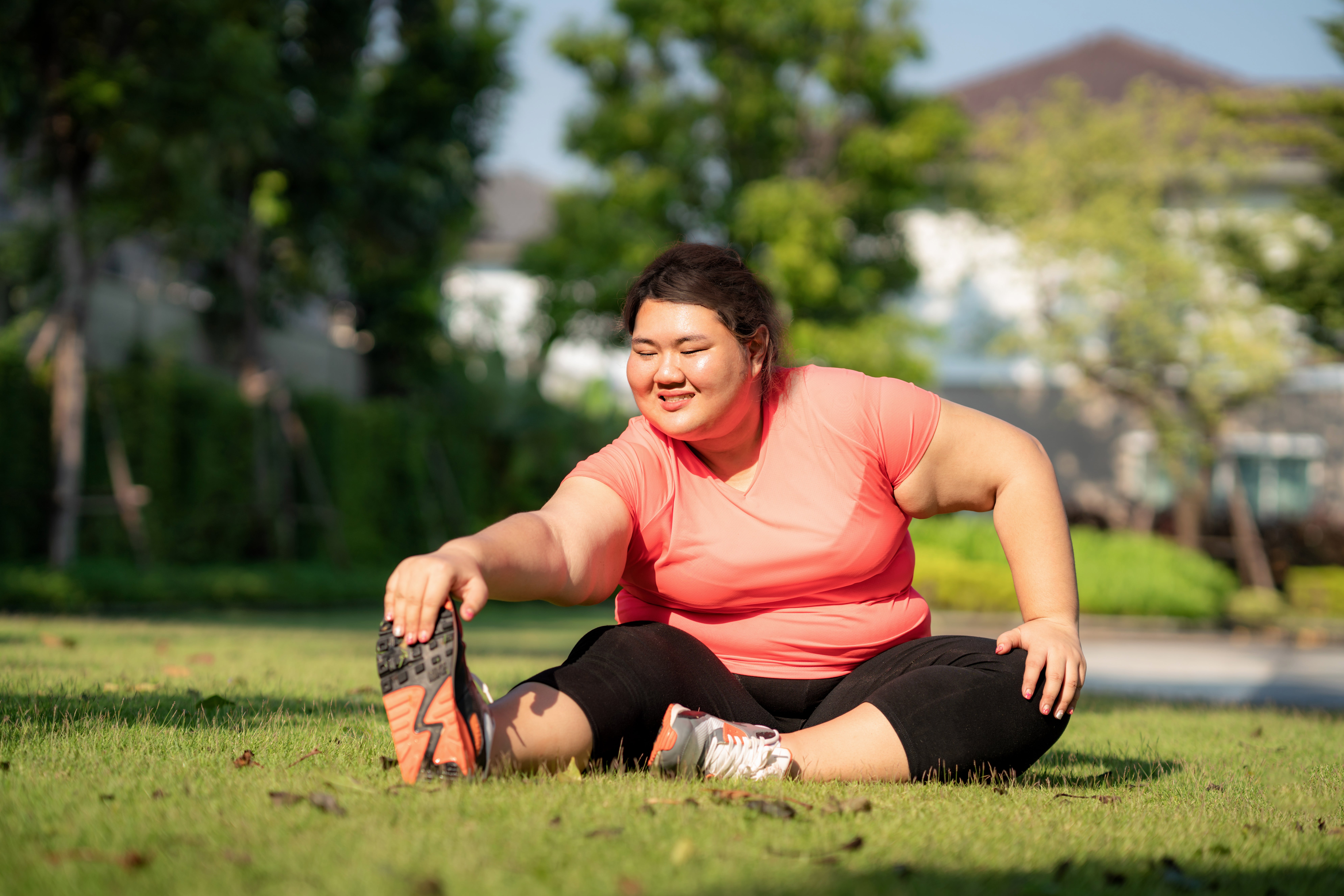
Osteoarthritis is also called degenerative joint disease. It happens when the cartilage in a joint breaks down. Cartilage allows the bones in a joint to glide over one another. When the cartilage breaks down, the bones rub together. This causes pain, swelling, and loss of motion. Osteoarthritis most often affects the hands, neck, lower back, knees, and hips.
Your health care provider can help you find ways to reduce pain, move better, and protect your joints from further injury. Changes in your daily activities can also help. These changes may include weight management, exercise, pain control, joint protection, and medicine. If these don’t help, surgery may be a choice.
Weight management
Extra weight can put stress on your joints and increase pain. This happens most often in the weight-bearing joints, such as your hips, knees, and ankles.
Weight loss is not easy, but even losing a small amount of weight can help. Talk with your health care provider about ways to lose weight. Diet changes and exercise can help. A dietitian or nutritionist can help you with eating healthy. In some cases, medicine or weight loss surgery may help.
Exercise
Exercise is an important part of managing your osteoarthritis. Exercise strengthens the muscles that support your joints. It also lessens joint pain and stiffness. And it helps to improve your overall health. You should try to do a variety of exercises to build strength and improve your lung and heart health. All exercises burn calories and can help you lose weight. It's critical to talk with your health care provider before starting an exercise routine. Your provider can help you determine what type of exercise routine and intensity level is best for you. They may also be able to give you handouts on exercise methods or refer you to a physical therapist to learn the best exercise routine for your needs.
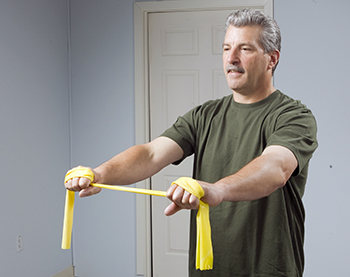
The types of exercise are:
-
Strengthening exercises. These can be done with exercise bands or resistance bands (inexpensive exercise aids), or with weights.
-
Aerobic activities. These exercises keep your heart and lungs strong. Moderate aerobic activity for 30 minutes most days of the week is recommended. You can even break it up into 3, 10-minute increments. Activities such as swimming, walking, and cycling are good choices.
-
Range of motion and stretching activities. These can lessen pain and stiffness and help you move better.
-
Balance exercises. These help you maintain balance and improve your daily living. Yoga and tai chi are excellent examples.
Start exercising slowly each time by gently moving your joints. Warm up for at least 5 to 10 minutes before any exercise. Talk with your health care provider:
-
Before starting an exercise program or adding new exercises to your daily routine.
-
When a joint becomes painful or swollen.
-
About taking pain medicine or using ice or heat before or after you exercise.
Joint protection
To lessen pain and protect your joints from further damage, you should:
-
Balance rest with activity. It’s important to be active and to exercise every day. But you should rest in between periods of activity.
-
Take care of your joints. There are things you do every day that can make your joint symptoms worse. There may be better ways of doing those same things without causing further joint stress. For example:
-
Store heavy kitchen items at waist height so that you can easily get to them.
-
Use aids, such as long-handled graspers and jar-openers.
-
-
Recognize pain. If your joints hurt more than usual, you may have done too much.
-
Sleep. It’s important to get enough sleep each night. Sleep gives you energy to be active during the day. It also helps you to feel better overall. If you are having trouble sleeping, or don’t feel rested when you wake up, talk with your health care provider.
Medicine
Over-the-counter and prescription medicines can help reduce the pain and stiffness from osteoarthritis. They include:
-
Pills, medicine that is rubbed on the skin (topical), and injections into the joint.
-
Pain relievers, such as acetaminophen, and nonsteroidal anti-inflammatory drugs (NSAIDs), such as ibuprofen.
It's very important that you talk with your health care provider before taking any medicine for arthritis. Even medicines that are available without prescription can cause serious side effects. Some can make other health problems worse and interfere with other medicines.
Each person reacts differently to these medicines. If one medicine doesn't work for you, your provider may prescribe a different one.
Pain control
Medicines can help control most arthritis pain. But you can also try:
-
Relaxation methods. Deep breathing, yoga, or easy stretching can help.
-
Cold and heat. Applying ice packs, moist heat, or hot showers and baths can help lessen pain and stiffness. Ask your health care provider what they suggest.
-
Other methods. Massage, acupuncture, and a small device that delivers light impulses to the nerves (TENS or transcutaneous electrical nerve stimulation) can also help.
Surgery
If other treatments don’t work for your arthritis, you may need surgery.
-
Arthroscopic surgery. During arthroscopic surgery, the health care provider uses a special tool called an arthroscope to see and repair damaged areas inside your joint. It may be done to remove loose or damaged cartilage and bone. It can also be used to smooth or reposition bones.
-
Joint replacement surgery. Joint replacement surgery is when the damaged joint is replaced with a new man-made joint. The knee and hip joints are replaced most often.
Talk with your provider about the benefits and risks of these procedures.
There are many ways to handle the pain of osteoarthritis. Work with your provider to figure out what’s best for you.
Featured in
Author: Floria, Barbara
Online Medical Reviewer: Marianne Fraser MSN RN
Online Medical Reviewer: Raymond Kent Turley BSN MSN RN
Online Medical Reviewer: Rita Sather RN
Date Last Reviewed: 02/28/2025
© 2000-2026 The StayWell Company, LLC. All rights reserved. This information is not intended as a substitute for professional medical care. Always follow your healthcare professional's instructions.
Relief starts here
From sports injuries to joint replacement—we've got you covered.
FIND AN ORTHOPEDIC SPECIALIST
Personalized care starts with the right provider
Search by specialty, location, and more.
FIND A DOCTORRelated Articles
Living with Osteoarthritis
Osteoarthritis doesn’t have to keep you from leading an active life. You can help control symptoms by exercising and watching your weight.
What Is Rheumatoid Arthritis?
RA is a disease that affects the synovium, the lining of the joints. Here is a brief overview of RA.
Arthritis Diagnosis
Diagnosing arthritis and other rheumatic diseases is often difficult, as many symptoms are similar among the different diseases.
Living with Rheumatoid Arthritis
Rheumatoid arthritis (RA) is a chronic disease, but it doesn’t have to keep you from being active. You can help control RA with exercise and a healthy lifestyle.