A growing number of students are abusing prescription ADHD medicines on college campuses. Students turn to the medicines so they can stay awake longer and increase their ability to focus. Many students wrongly believe stimulants will improve their ability to learn and get better grades. ADHD medicines are also being used to curb appetites for cosmetic weight loss or athletics. Some also use them to get high. But while these medicines are considered safe when taken as prescribed, they can cause health problems and addiction when not taken as they were intended.
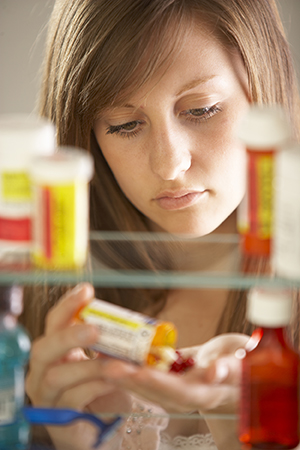
Attention on ADHD medicines
ADHD is short for attention deficit hyperactivity disorder. This is a common childhood disorder that often lasts into adulthood. People with ADHD have problems paying attention. They also have trouble controlling behavior or hyperactivity. The medicines most often used to treat ADHD are stimulants. When taken as directed, they can reduce attention and behavior problems in those with the disorder. Two types of stimulant ADHD medicines are methylphenidate and amphetamines.
People who abuse stimulants may swallow pills. They may also snort or inject the contents. If these stimulants are misused, or taken by people who don’t have ADHD, they rev up the brain and body. They are known to temporarily increase the ability to focus. They also reduce the need for sleep. But there is no proof they increase grades or performance. Instead, abuse of stimulants can lead to a false sense of self-confidence and actually make academic performance worse.
Using these medicines in the wrong way can have bad results. Stimulants can drive up blood pressure, heart rate, and body temperature. At high doses, they can cause a stroke. With repeated use, stimulants can set in motion feelings of extreme anger and being overly suspicious and distrustful. Plus, lack of sleep and nutrition can lead to health problems.
If taken at doses or by methods other than those prescribed by a healthcare provider, stimulants can be addictive. People who abuse the medicines for a long period may have withdrawal symptoms like extreme tiredness, depression, and sleep problems when they stop.
Students don’t have to look far to find ADHD medicines. Most get them from a friend or family member who has a prescription.
What parents can do
Just because your child is college-age doesn’t mean your parenting days are over. Believe it or not, you still have influence. These steps can make a difference:
-
If your student takes a stimulant for ADHD, discuss it. Talk about the importance of using the medicine only as prescribed and not sharing it.
-
If someone else in the family takes ADHD medicine, keep an eye on it. This way you’ll know if any goes missing.
-
If you think your student might be abusing ADHD medicines, educate yourself. Watch for these warning signs in your child: going long periods without sleeping or eating, weight loss, excessive activity, extreme talkativeness, an overly high mood, grouchiness, nervousness, or pupils that are larger than usual. If you see these warning signs, talk to your student in a supportive, caring manner.
-
Set a good example for your adult kids. Don't abuse drugs or take unnecessary medicines.
-
Use opportunities to discuss their studies and performance. Encourage good study habits. Ask about medicine use and availability. Communication is key, even when your adult child is in college.
Author: Andrews, Linda Wasmer
© 2000-2025 The StayWell Company, LLC. All rights reserved. This information is not intended as a substitute for professional medical care. Always follow your healthcare professional's instructions.
Personalized care starts with the right provider
Search by specialty, location, and more.
FIND A DOCTORRelated Articles
Ability to Concentrate Isn't What It Used to Be
With today's world filled with so much stimulation, quick news reports, and fast-food restaurants on every corner, are we capable of concentrating as well as we used to?
Which Supplements Soothe Stress?
Changes in life lead to stress and anxiety. So in these times of tumult, it’s no surprise stress is on the rise. In a recent American Psychological Association survey, nearly half of Americans reported emotional and physical symptoms of stress, such as mood swings and tense muscles.
Social Drinking vs. Problem Drinking
A helpful guide to understanding the effects of alcohol, the signs of problem drinking, and how to drink safely.
Strategies to Prevent Depression, No Matter Your Age
Here’s what to know about preventing depression, depending on your age.