Healthy Living
Heart Disease Prevention Starts in Childhood
Healthy habits that begin in childhood—such as eating patterns, physical activity, and sleep—can affect heart health throughout life.
Some of the causes of adult heart disease that start in childhood and can be prevented are:
- Obesity.
- Buildup of plaque (or fat deposits) in the arteries.
- Unhealthy changes in cholesterol levels.
- High blood pressure (hypertension).
- Diabetes.
- Exposure to cigarette smoke.
- Lack of physical exercise (sedentary lifestyle).
- An unhealthy diet.
Although it's true that heart disease risk can run in families, healthy eating can help every child reduce their heart disease risk. If heart disease does run in your family, talk with your child's doctor about whether to have their cholesterol and blood pressure measured regularly.
Healthy food, healthy hearts
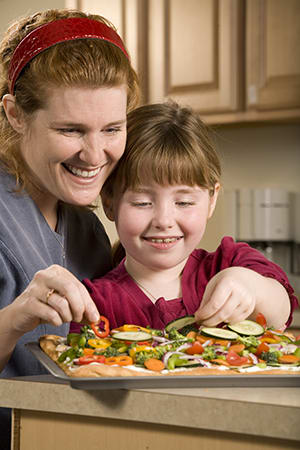
Healthy eating patterns that begin in childhood help support heart health throughout life. These tips can help your child develop heart-healthy eating habits:
- Breastfeed your baby, if possible. Experts recommend breastfeeding for about the first 6 months, with continued breastfeeding as solid foods are introduced for at least the first year.
- Offer your child healthy foods. These include protein foods, dairy, vegetables, fruits, healthy fats, and whole grains.
- Include a variety of vegetables and fruits every day. These foods provide fiber and nutrients that support heart health.
- Offer whole grains, such as brown rice and whole wheat bread, more often than refined grains, such as white rice and white bread.
- Include healthy fats from foods such as nuts, seeds, avocado, fish, and plant oils.
- Limit highly processed foods, added sugars, and refined carbohydrates, such as packaged snacks, sugary drinks, and white bread.
- Limit foods high in saturated fat, such as fatty meats, processed meats, and butter.
- Avoid giving fruit juice to infants younger than 12 months. For older children, offer whole fruit more often than juice.
- Let children decide how much to eat from the healthy foods offered. This helps them learn to recognize hunger and fullness.
Healthy lifestyle, healthy heart
Many daily habits affect heart health. Here are some habits you can encourage:
- Children ages 3 to 5 should be physically active throughout the day, such as when they play. This enhances growth and development. Children ages 6 to 17 should get at least 60 minutes of moderate to vigorous physical activity daily. This can be broken up throughout the day into 2 or more periods of activity. This helps to maintain good health and fitness. And it helps kids stay at a healthy weight as they grow.
- Since many kids trade being active for sitting in front of the TV or a computer, keep screen time to a minimum. Replace sedentary behavior with active behavior whenever possible.
- Don't expose your kids to cigarette smoke. Ban smoking in your house and car. Don't take your kids to places where people smoke cigarettes. If you smoke, quitting smoking can help you and your kids.
Remember that you're the most important role model for your kids. Your children and teens will learn their best heart-healthy choices by watching you.
Featured in
Author: Ignite Staff
Online Medical Reviewer: Callie Tayrien RN MSN
Online Medical Reviewer: Stacey Wojcik MBA BSN RN
Online Medical Reviewer: Steven Kang MD
Date Last Reviewed: 08/31/2023
© 2000-2026 The StayWell Company, LLC. All rights reserved. This information is not intended as a substitute for professional medical care. Always follow your healthcare professional's instructions.
Personalized care starts with the right provider
Search by specialty, location, and more.
FIND A DOCTORRelated Articles
Put Peer Pressure in Its Place
During the teen years, peer pressure can be very strong. It can push kids to do things that they don't really want to do. This pressure can come from friends or other kids at school. But parents can counter it, if they're ready to help.
Helping Your Child Cope with the Pandemic
Your child’s world has changed in many ways because of the pandemic. Learn how you can help your child cope better with the stress of their current life.
Sports and Children with Special Needs
Children with special needs are sometimes not encouraged to exercise, because their parents or guardians fear they'll be injured. But physical activity is as important for children with special needs as it is for any child.
Obesity in Children and Teens
Obesity is when a teen has too much body fat. Obesity is a serious, long-term disease.